
Stress, anxiety, and low mood affect millions of people in today’s world because of a variety of internal and external factors. Chronic stress that isn’t managed can have a big negative effect on mental health and the quality of life as a whole.
Long-term stress often makes it hard to sleep, makes you less active, and causes muscle tension all over your body. Regular massage therapy is a great way to deal with stress because it helps you relax and be more aware of your body.
Deep tissue massage uses medium to firm pressure techniques to help release tension that has built up in different parts of the body. Aromatherapy massage makes the room feel calm, which is good for both your mind and body. Other types of massage, such as pregnancy massage, lymphatic drainage, and hot stone therapy, can help with a wide range of health goals and needs.
Massage therapy has many scientifically proven benefits for mental health, not just relaxation. Keep reading to learn how regular massages can improve your mental and physical health.
1. Massage therapy can help you relax and lower your stress levels.
Stress is a physiological response that impacts bodily functions and emotional processing. Acute stress can improve performance and alertness in important situations, but long-term stress exposure can cause toxic buildup, which can lead to health problems throughout the body.
When we are stressed, our bodies use hormones to turn on the fight-or-flight response. This process causes the muscles to tighten up as a protective reflex, which can cause pain, limited movement, and a lower quality of life that affects work and daily tasks.
How Massage Can Help You Relax
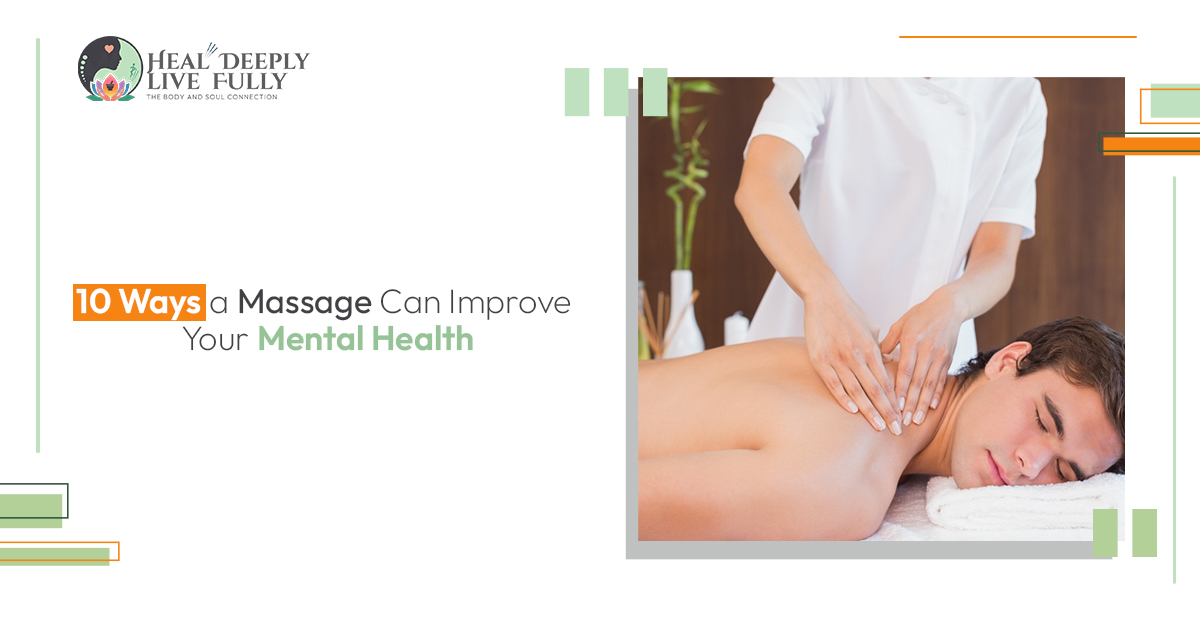
Most of the time, massage sessions take place in calming, therapeutic settings that help people relax. When clients relax, their breathing naturally slows down, which has good effects all over the body. Controlled breathing helps calm the nervous system and lower the heart rate.
Also, therapeutic things used during massage therapy, like essential oils and aromatherapy, help relieve stress, balance the nervous system, and improve overall health.
2. Benefits of Managing Anxiety
Anxiety is different from stress because it lasts longer and doesn’t always have a clear cause. But long-term stress often leads to anxiety disorders.
Stress is how the body reacts to threats it thinks are real, while anxiety is how the body reacts to that stress. Long-term stress raises levels of cortisol and corticotropin, two hormones that can make anxiety and mood disorders worse.
Traditional medicine systems, such as Traditional Chinese Medicine, acknowledge the efficacy of massage therapy in alleviating anxiety. This therapeutic effect may stem from modified brain activity patterns and enhanced serotonin synthesis. Serotonin is a neurotransmitter that helps keep emotions stable and mental health in balance.
3. Improved Mood and Emotional Health
During massage therapy, kneading techniques help the body release endorphins and dopamine, which are neurotransmitters that naturally lift mood and relieve pain. Endorphins can be released through physical activity and some foods, but massage therapy has other benefits, such as reducing fatigue, which also helps improve mood.
Massage therapy raises levels of helpful neurochemicals while lowering levels of stress hormones like cortisol and epinephrine. As part of the fight-or-flight stress response, cortisol is released after adrenaline (epinephrine). Also, massage makes blood flow to the brain better, which helps mental health and brain function.
4. Better sleep quality
Regular massage therapy is a great way to get rid of tiredness, mostly by making sleep better and longer.
Not getting enough sleep can make you feel bad, irritable, and sad, which can have a big effect on how you do things every day. On the other hand, getting enough deep sleep helps you deal with life’s problems more positively and appropriately.
For people who have sleep problems like insomnia, regular massage therapy may be a good way to help. Massage can help you sleep better, get rid of chronic sleeplessness, and make your mind clearer when you’re awake.
Massage therapy can also help lower heart rate, stabilize blood pressure, and relax muscles, all of which are good for getting restorative sleep.
5. Less tension in the muscles
Massage therapy is a great way to relax muscles that are tense from working out, being stressed out, or being anxious.
When muscles stay tense for a long time, connective tissue adhesions can form in places where blood flow is poor. Certain massage techniques can stretch and relax tight muscles and connective tissues that are too tight, which helps restore normal movement.
Massage improves blood flow, which helps with healing and pain management and makes it easier to move around. These therapeutic outcomes diminish anxiety, frustration, and depressive symptoms, facilitating a mental focus on more positive life aspects.
Also, the ability to move freely again encourages people to keep being active, which is good for both their physical and mental health.
6. Improving the connection between mind and body
Massage therapy can help you relax and get away from stressors and distractions in your environment. This helps you become more aware of what’s going on inside you and strengthens the connection between your mind and body, which is important for better memory, problem-solving, and cognitive function.
The skin is a sensory interface that sends signals to the nervous system. So, physical comfort and health have a direct effect on mental and emotional states, showing that a healthy body supports a healthy mind.
7. Letting go of emotional blocks
Negative feelings often show up as more muscle tension and stress in the body. When muscles hold onto negative emotions, it can block energy flow and make it hard to move around. These physical signs can hurt your mental health and make you feel anxious or depressed.
Massage therapy helps with these emotional problems by relaxing tight muscles, helping the body process emotions, and getting the energy flowing again.
8. Improved brain function
Massage therapy helps with mental clarity and cognitive function. When you get a massage, your blood flow improves, which makes your brain work better, including storing memories and processing information more quickly.
Improved blood flow to the brain brings more oxygen and nutrients to brain tissue, which helps the brain work better and think better.
9. Managing Pain
Massage therapy is a great way to relieve headaches and other common pain conditions. It also has a positive effect on mental and emotional health.
Massage helps relieve pain in several ways, one of which is by increasing blood flow, which stops pain-spasm cycles. Also, muscles usually tighten around painful areas to protect them. Massage therapy helps with this protective tension by increasing range of motion and making pain less noticeable.
Massage therapy that works to ease pain lowers the mental toll of chronic pain, which can make you feel better and less anxious and improve your overall quality of life.
10. Taking care of yourself and being kind to yourself
Setting up regular massage therapy sessions is a conscious way to take care of yourself and show yourself compassion, both of which are important for keeping and improving your mental health.
Massage gives you time to relax and get better physically and mentally, which helps the body get back to normal. Also, massage therapy is very flexible, with a wide range of methods and techniques that can be used to meet each person’s needs, wants, and health goals.